
DLD has provided landscape architectural services for multiple educational campuses ranging from early childhood centers to high schools. These projects represent an ideal scale for applying the full design process — from initial sketches and schematic design through entitlements, design development, construction documentation, and construction management.
Several of DLD’s educational projects have originated through design competitions, with the firm contributing to multiple award-winning submissions in recent years.
School projects demand careful coordination of program adjacencies, safety, circulation, and shared community use. These campuses often sit at the intersection of educational ambition and public responsibility, where design decisions must be justified not only in terms of aesthetics, but also long-term performance, safety, and educational value. One of the most significant challenges is advancing thoughtful, forward-looking design while maintaining transparency, fiscal responsibility, and public trust.
Project Details
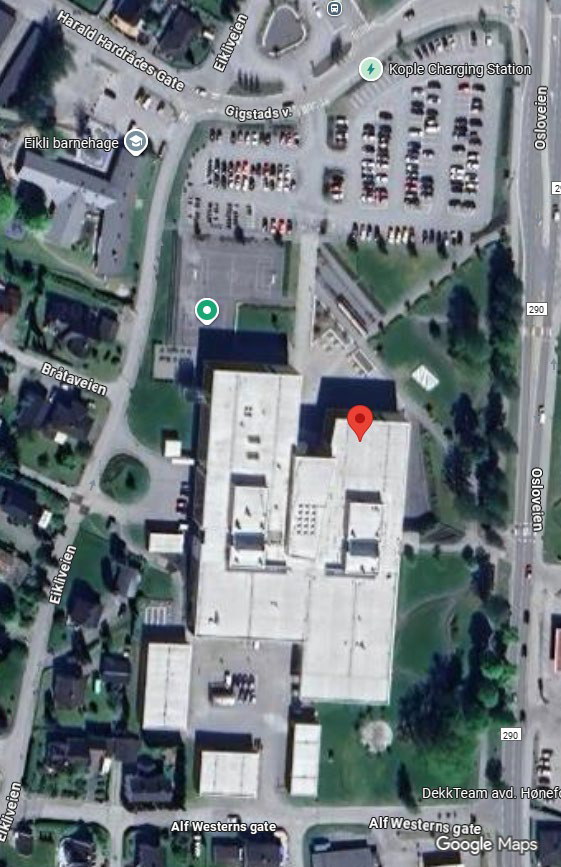
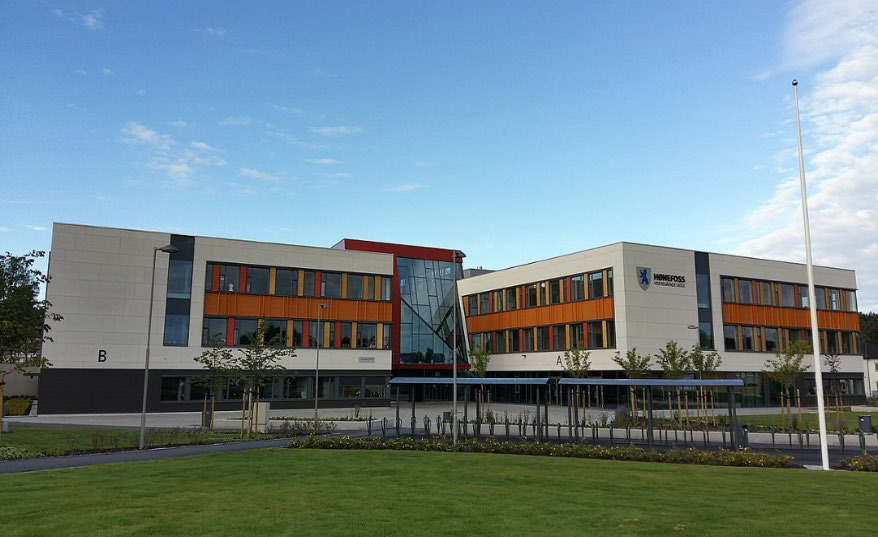
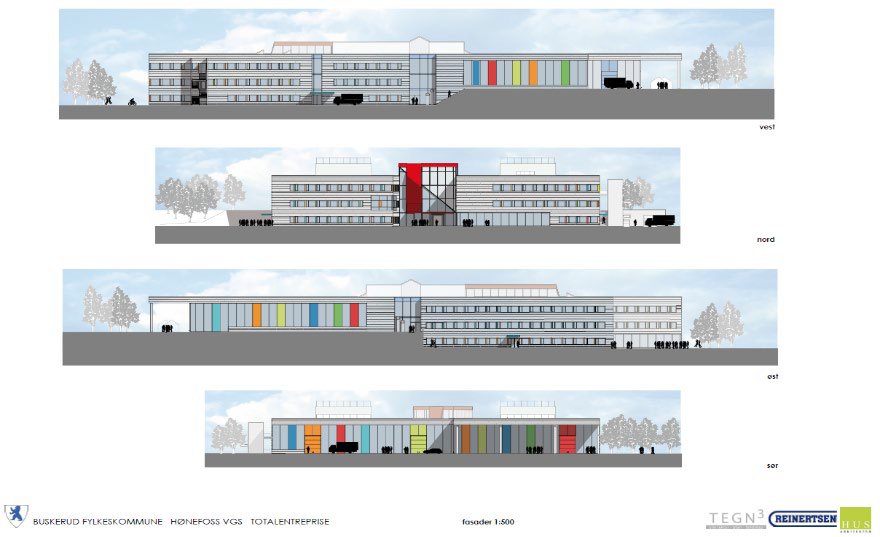
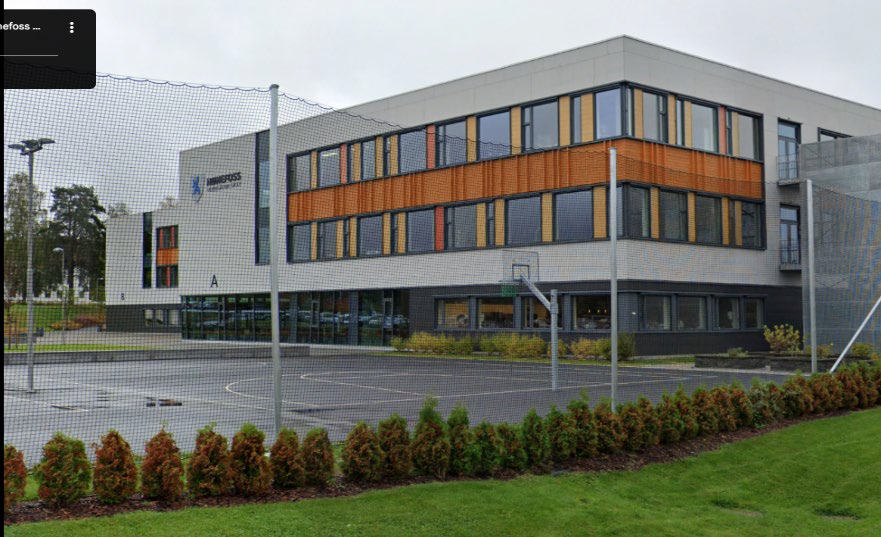
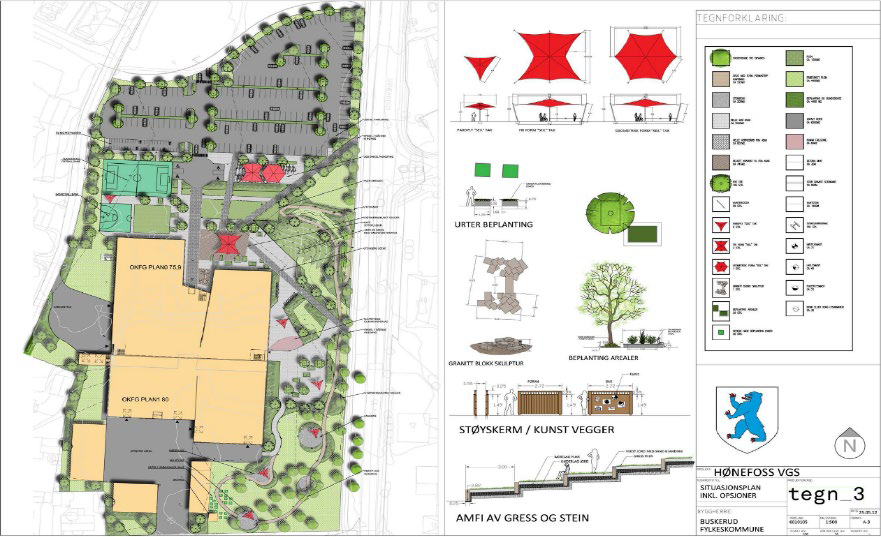
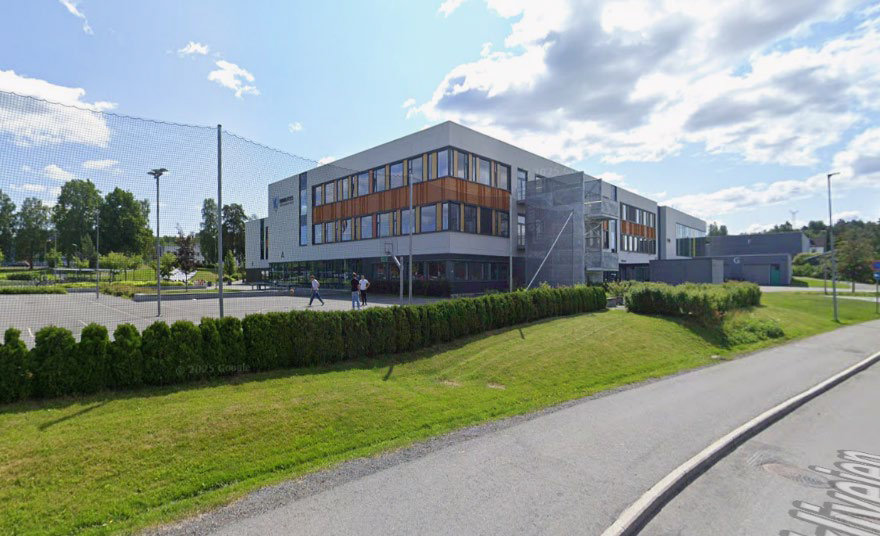
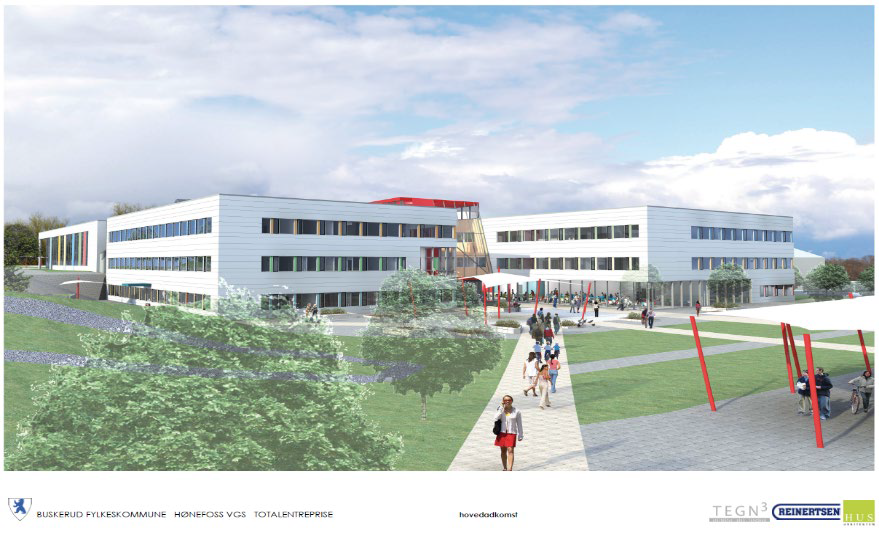
Hønefoss Videregående Skole was planned as a new upper secondary school to replace an existing, disjointed campus. The project included a competition-winning proposal in 2012 and required a comprehensive feasibility study to evaluate alternative site orientations that differed from the original program assumptions. A key objective was to protect a significant forest grove on the site while still meeting the functional and educational requirements of a modern high school. Design documentation and construction were scheduled for completion in 2015.
The project required balancing educational goals, environmental stewardship, and public accountability within a highly visible, publicly funded framework.
Grounding Design Ambition in Educational Outcomes
Whether working on a high school or a preschool, the primary driver of design decisions is their impact on educational goals and learning outcomes. At Hønefoss Videregående Skole, design ambition was evaluated through the lens of how spaces—both built and natural—could support teaching, learning, and student well-being.
Using Feasibility Studies to Inform Responsible Design
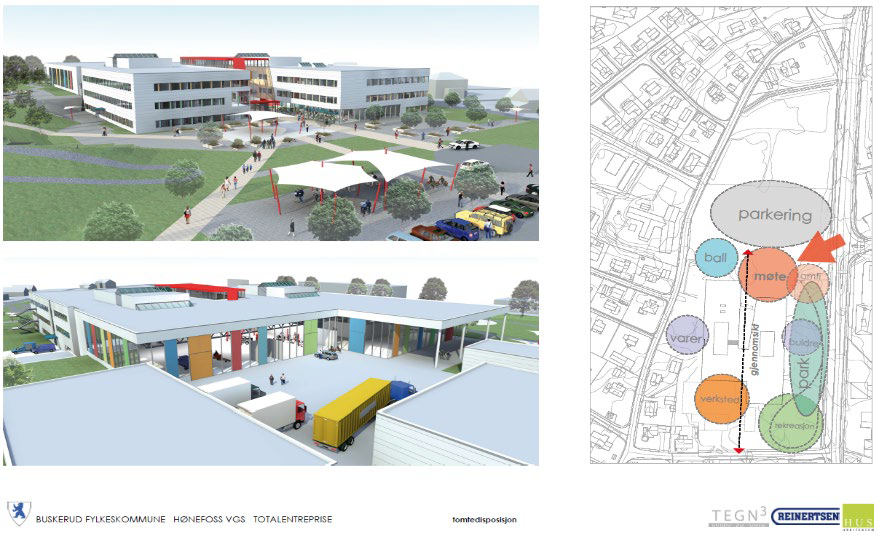
The feasibility study played a critical role in assessing site orientation, environmental constraints, and program efficiency. By evaluating alternative layouts early, the project was able to protect the existing forest grove while still delivering a functional, coherent campus—demonstrating the value of feasibility studies as a tool for aligning ambition with responsibility.
Building Trust Through Community Engagement
Public engagement was supported through community meetings, clear visual communication, and solid data. This transparency allowed ambitious design concepts to be explored and understood, helping stakeholders see the long-term value of decisions that might initially challenge expectations.
Integrating Environmental Preservation into the Educational Experience
Preserving the existing forest was not treated as a limitation, but as an opportunity. The forest became an outdoor classroom and a shared resource, reflecting a broader shift toward environmental awareness and the importance of outdoor spaces for learning, play, reflection, and well-being. This integration strengthened both the educational mission and the school’s relationship to the community.
Successful school design balances aspiration with accountability. This project illustrates how landscape architecture can help align educational goals, environmental stewardship, and public responsibility—creating campuses that serve students, communities, and future generations.