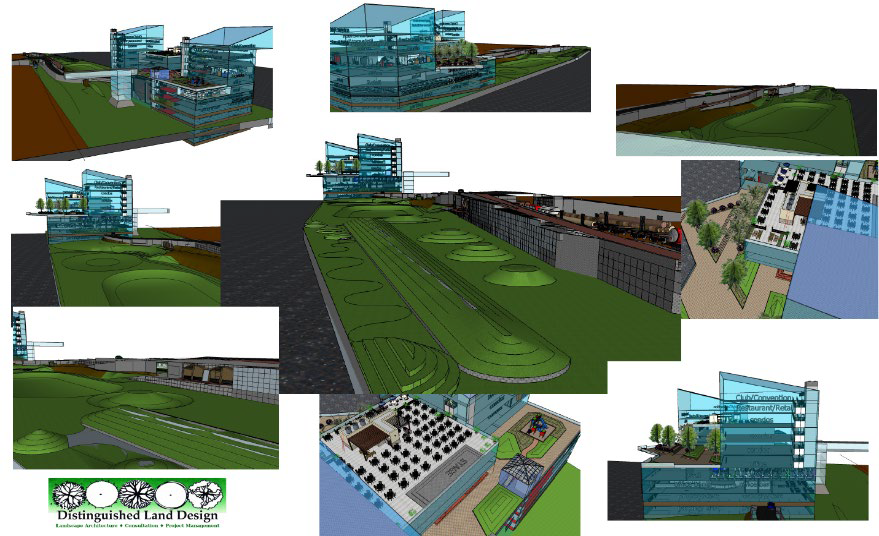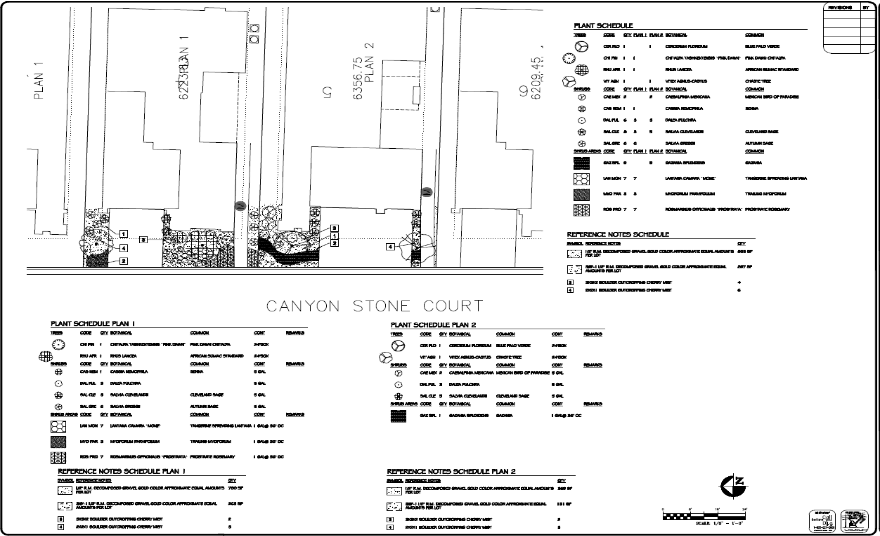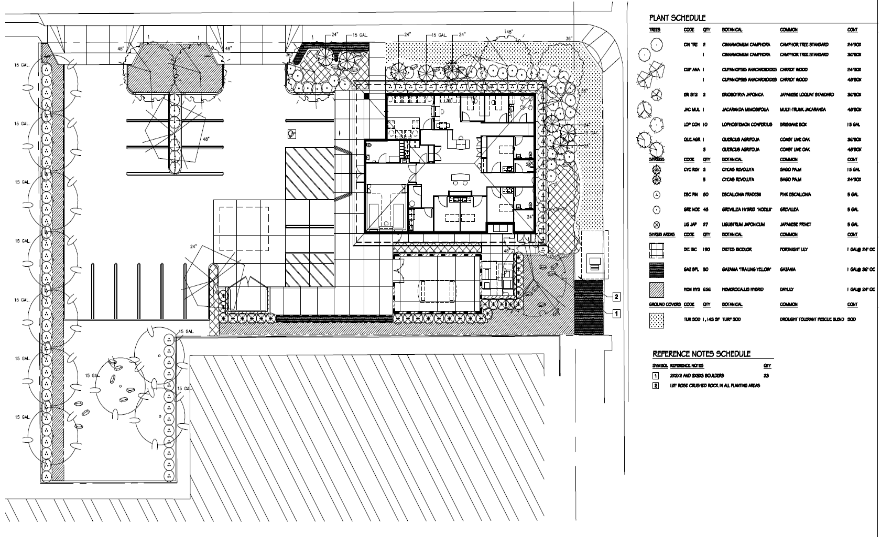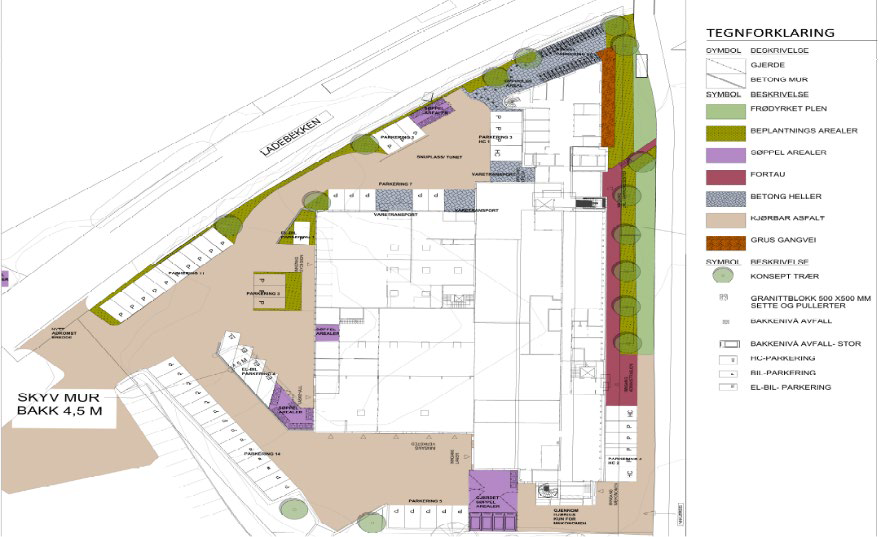

DLD brings a clear understanding of commercial markets, ownership priorities, and project demands. The firm recognizes that successful design must balance cost effectiveness with enduring value. Clients benefit from having a single, reliable point of contact — a professional who provides clarity, responsiveness, and solutions that align with project goals.
In keeping with DLD’s core values, commercial landscapes are designed to be both inviting and functional — pleasant environments for visitors, engaging settings for customers, and enjoyable places to work. The firm’s experience ranges from single office developments to large planned unit developments (P.U.D.s) exceeding 200 acres, as well as subdivisions of varying scale and complexity.
Budget Constraints
Commercial projects are frequently governed by tight budgets and cost certainty, limiting flexibility and placing pressure on scope, materials, and design decisions.
Late-Stage Involvement
Landscape architecture is often introduced late in the process, with expectations centered on planting or visual enhancement rather than site strategy, circulation, or performance.
Perception of Landscape Architecture as Secondary
This late involvement reflects a broader mindset that relegates landscape architecture to a finishing role, rather than recognizing its ability to contribute meaningfully alongside architecture and engineering.
Project Details
Designing for Constructability and Scope Clarity
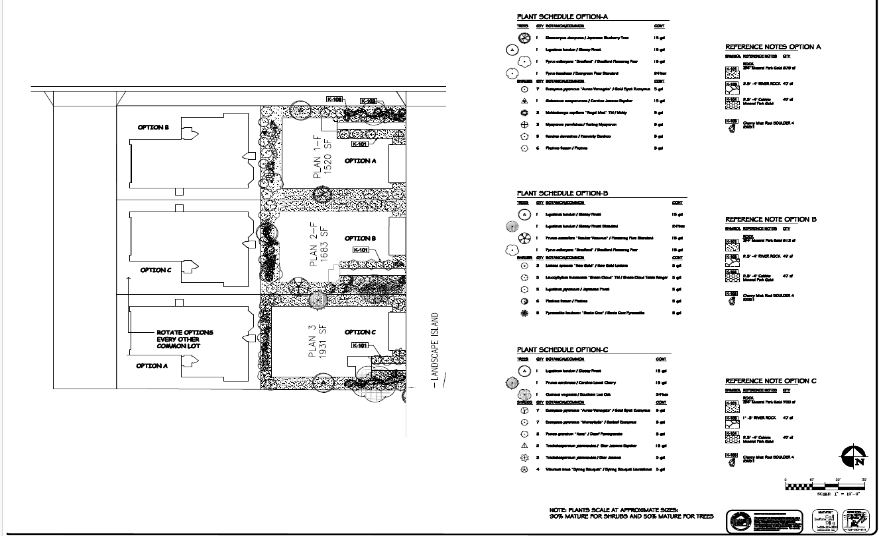
When budget is a primary constraint, we focus on creating more constructible solutions—simplifying grading, reducing unnecessary complexity, and aligning scope with realistic expectations. This often involves revisiting assumptions early, adjusting scope thoughtfully, and helping clients and teams understand where value can be preserved or improved through smarter design decisions.
Re-Evaluating Opportunities When Brought in Late
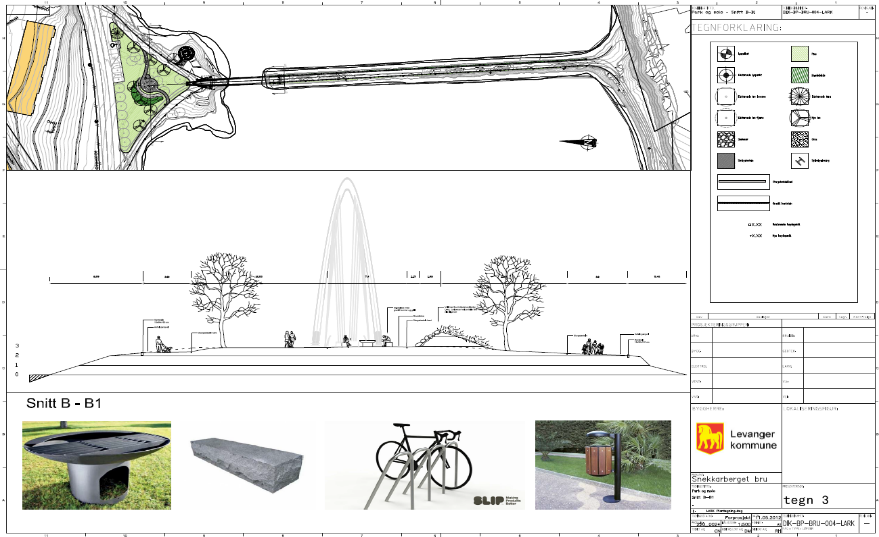
When landscape architecture is engaged later in the process, we assess where targeted changes can still make sense. As demonstrated in the accompanying project example, this may include pitching revisions when they offer clear benefits to safety, usability, cost, or coordination—while respecting the work already completed by the team.
Positioning Landscape Architecture as a Collaborative Discipline
We help project teams understand how landscape architecture contributes to the overall success of a project by working across disciplines. By engaging with architects, civil engineers, and other consultants, we position landscape architecture as part of the integrated design process—supporting site performance, circulation, and long-term project outcomes rather than functioning as an isolated scope.