
Distinguished Land Design assists clients in navigating the complex regulatory and approval processes associated with commercial and mixed-use development. The firm prepares entitlement documentation, public sector presentation materials, and permit submittals to help secure the necessary approvals for construction.
DLD also provides verification services for owners and authorities to ensure projects meet applicable zoning, design, and development standards. From early coordination through final compliance, the firm manages punch lists, regulatory confirmations, and contract adjustments to support smooth project completion and timely approvals.
Entitlement projects are often driven by detailed code interpretation, site constraints, and sensitivity to adjacent land uses. One of the most significant challenges is achieving full regulatory compliance—particularly for landscape and buffer-yard requirements—within sites that are optimized for operational efficiency. Clear documentation and proactive coordination are critical to minimizing approval risk and maintaining project momentum.
Project Details
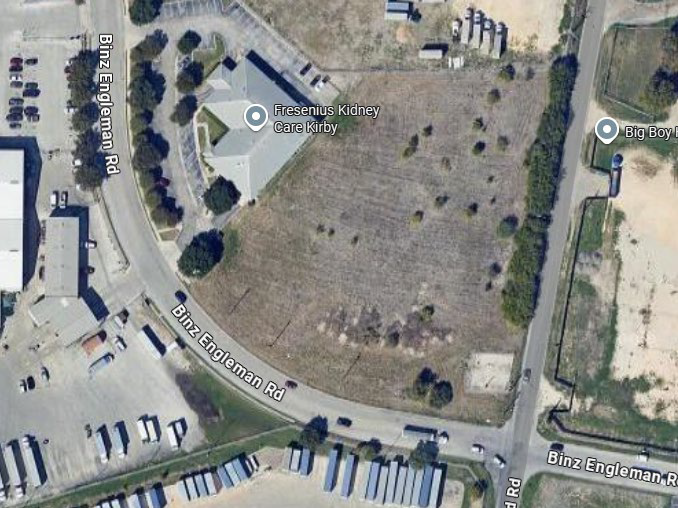
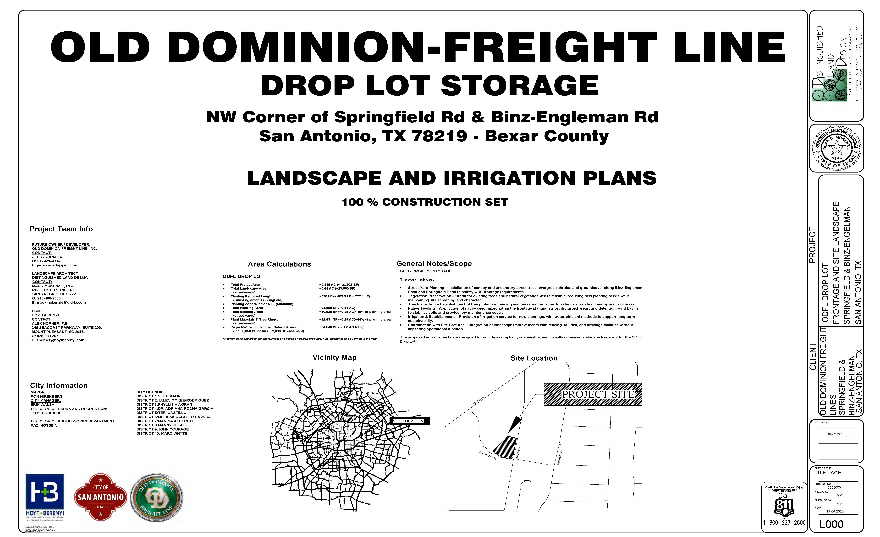
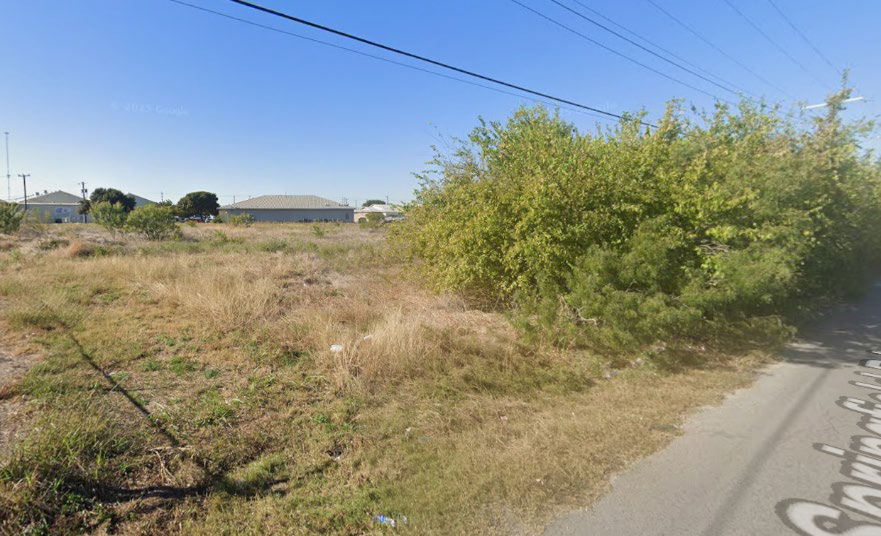
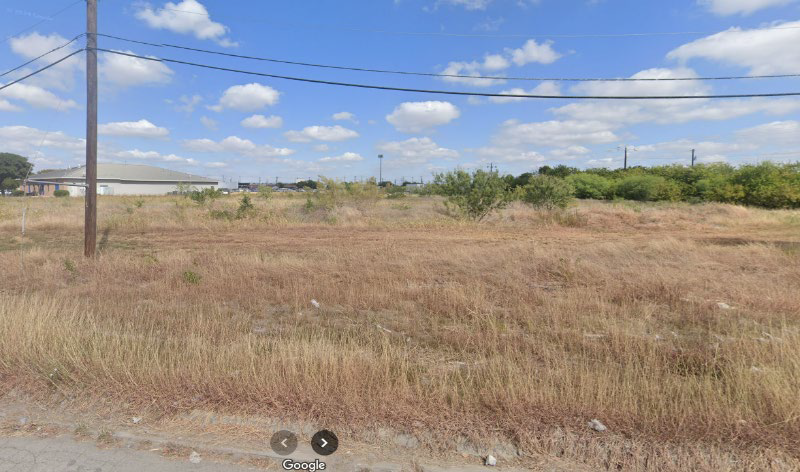
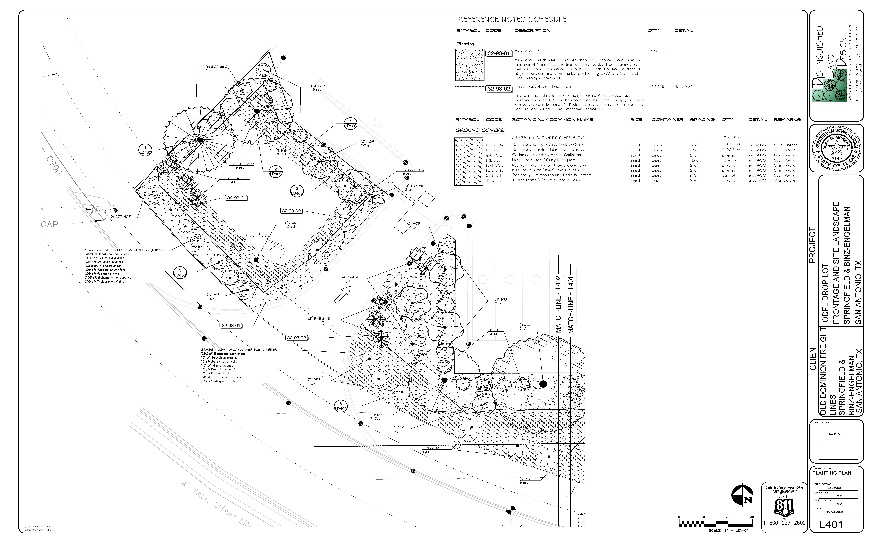
The Old Dominion Freight Drop Lot was an entitlement-focused project involving the development of planting and screening standards for an industrial site. Scope of work included coordination with the Owner’s Representative and preparation of clear, review-ready documentation to ensure full compliance with the City of San Antonio Unified Development Code (UDC) landscape and buffer-yard requirements. The project required close alignment between operational needs, regulatory standards, and approval timelines.
While the site itself presented constraints typical of commercial and industrial developments, the project’s success depended on navigating code compliance efficiently and defensibly to support entitlement approvals.
Working Within Code Frameworks to Address Site Constraints
Although the site was no more constrained than a typical commercial project, the specific industrial use required careful coordination with code compliance to allow for appropriate adjustments and interpretations. Early analysis focused on understanding where flexibility existed within the UDC framework and how variances or modifications could be responsibly pursued.
Prioritizing Compliance to Streamline Approvals
Rather than designing to minimum thresholds, landscape and buffer requirements were maximized in a manner consistent with UDC intent. This approach reduced ambiguity during review and helped create a smoother, more predictable approval process.
Establishing Clear Expectations with Ownership Early
Design concepts were shared with the owner early in the process, with clear communication that the proposed landscape and screening would exceed minimum requirements. This established realistic expectations and reinforced the likelihood of securing necessary approvals without prolonged review cycles.
Producing Clear, Defensible Documentation
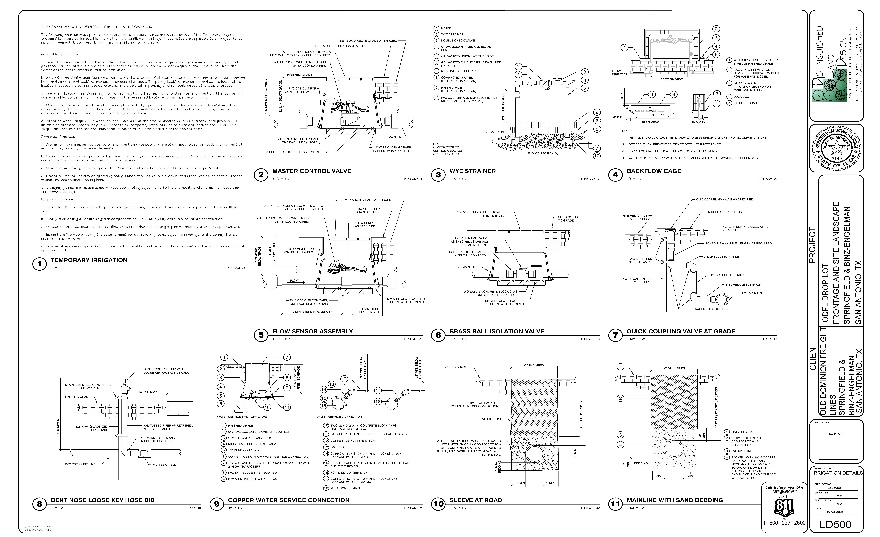
Design documentation was prepared with a high level of clarity, delineating all landscape components—from tree protection measures through construction documents—in a way that allowed compliance officers to easily identify code references, adjustments, and exceptions. This clarity reduced confusion during review and supported efficient resolution of comments.
Successful entitlement work depends on clarity, foresight, and regulatory fluency. This project demonstrates how landscape architecture can reduce entitlement risk by aligning operational needs with code intent, producing clear documentation, and facilitating smoother approval processes.