
Distinguished Land Design (DLD) understands the unique expectations and responsibilities that come with public sector projects. The firm works closely with public agencies, city staff, and community stakeholders to deliver designs that balance aesthetics, functionality, and long-term maintenance considerations.
Each project is approached with a focus on clarity, compliance, and collaboration — ensuring that designs meet regulatory requirements while enhancing public spaces and community identity. DLD’s public sector experience includes park development, trail systems, streetscapes, public facilities, and large-scale infrastructure enhancements, each shaped by the firm’s commitment to responsible, lasting design.
Public sector projects are shaped by budget limitations, regulatory compliance, and coordination across multiple agencies. However, one of the most defining challenges is navigating community engagement—balancing differing priorities related to recreation, access, preservation, and neighborhood character—while maintaining project feasibility and public accountability.
Project Details
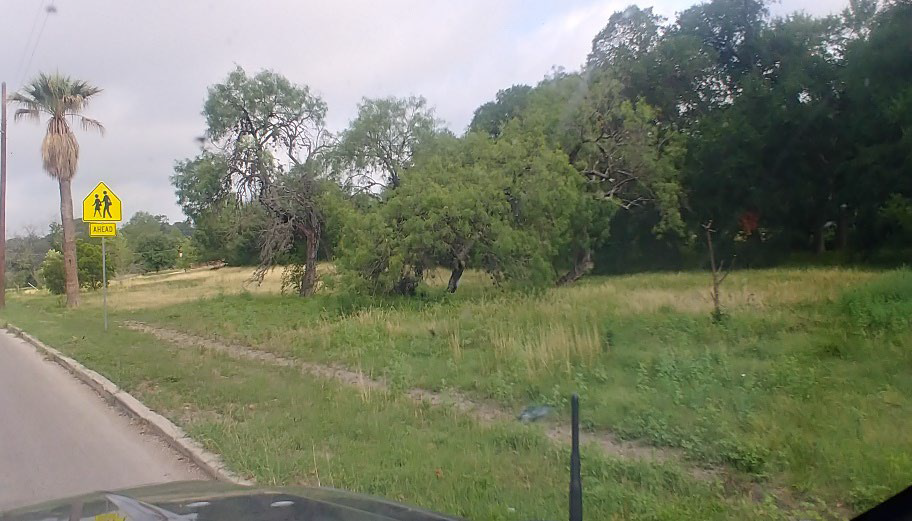
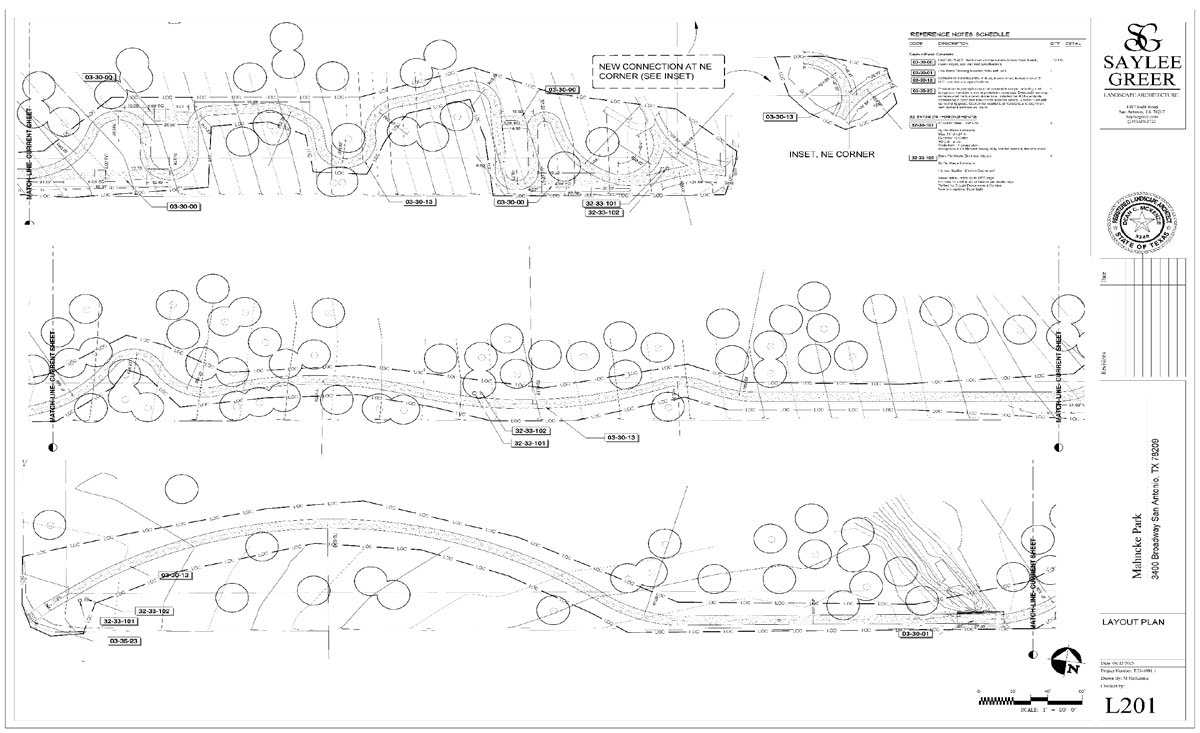
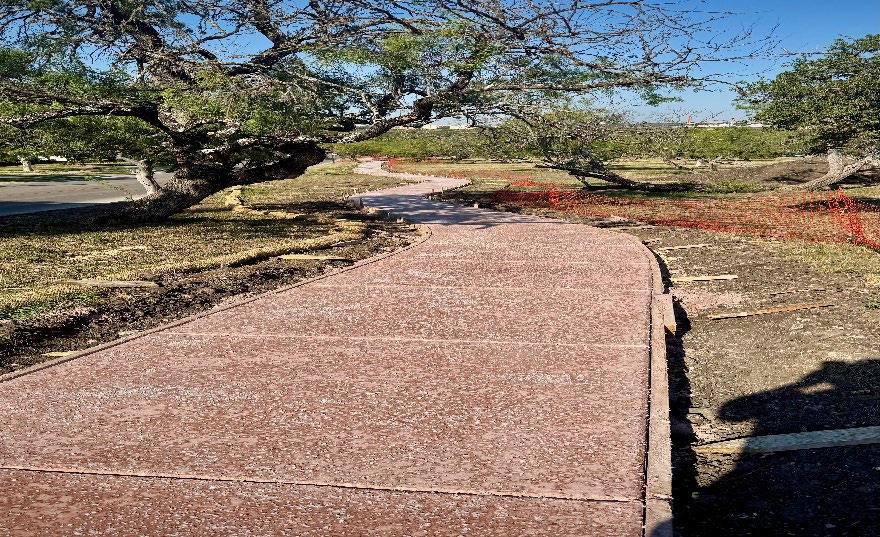
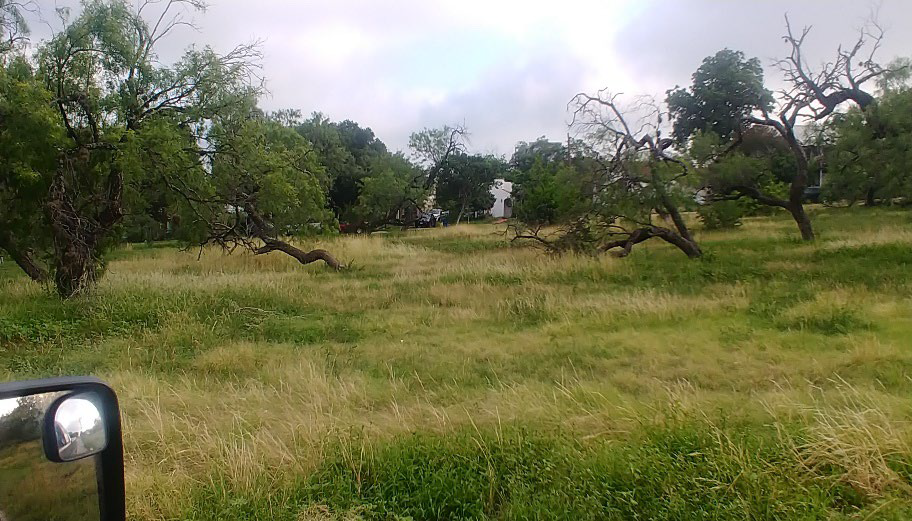
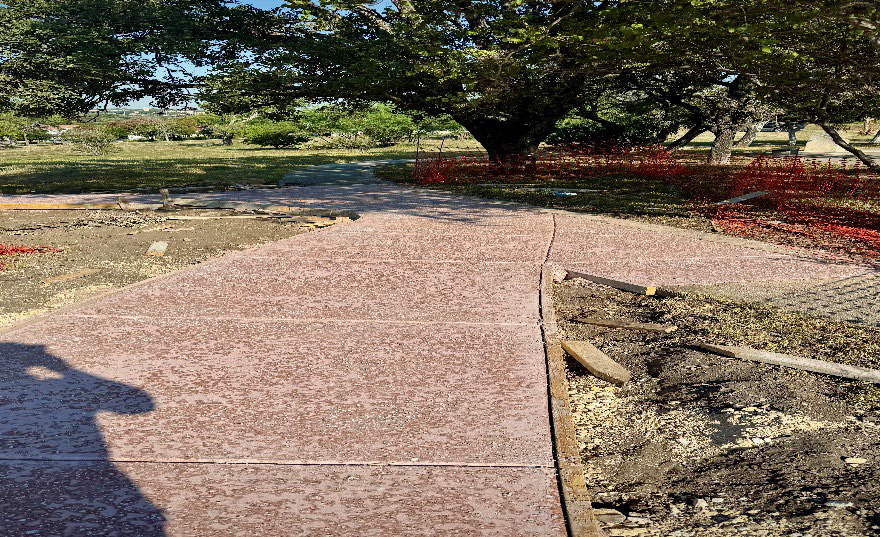
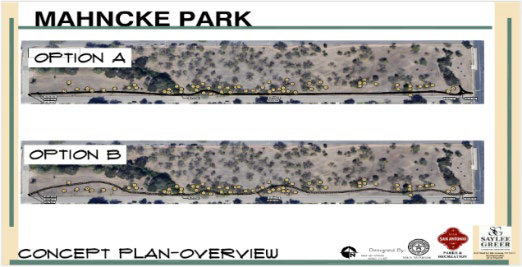
Mahncke Park Improvements was a public-sector project focused on enhancing an existing neighborhood park through targeted trail alignments, grading improvements, irrigation retrofits, and native planting. Serving as Senior Landscape Architect, responsibilities included design development, public meetings, construction documentation, and construction administration. The project required close coordination with City departments and adherence to COSA UDC, ADA, and environmental standards, while working within phased budgets and an actively used public space.
The success of the project depended on balancing technical requirements, community expectations, and long-term park stewardship.
Structured and Transparent Community Engagement
At Mahncke Park, community engagement was approached as a structured process rather than a single event. Public meetings were staged to first gather information and understand community expectations, then to review design development options, and finally to communicate clear outcomes based on budget and regulatory constraints. This approach ensured that all parties understood what was achievable and reduced uncertainty throughout the project.
Balancing User Needs Through Thoughtful Tradeoffs
Design decisions were guided by a desire to disturb the existing park as little as possible while still improving access, functionality, and long-term performance. Strategic tradeoffs were made to accommodate reasonable community requests while remaining within code, budget, and constructability requirements.
Translating Community Input into Responsible Design Decisions
As concerns were presented, design choices were evaluated and adjusted where appropriate. At the same time, the public was guided to understand that a landscape architect’s responsibility to protect health, safety, and welfare sometimes requires maintaining elements that cannot be changed. Certain aspects of the design were governed by UDC, ADA, and other regulatory standards, and part of the engagement process involved clearly communicating why those requirements existed and how they served the public interest.
Maintaining Engagement Through Construction
Community involvement continued through the construction phase, reinforcing that project management is as integral to success as the design process itself. Site visits and ongoing communication demonstrated how design intent was carried through implementation, helping maintain transparency, trust, and accountability from concept through completion.
Public spaces succeed when design leadership is grounded in listening, transparency, and follow-through. This project demonstrates how landscape architecture can guide public-sector work by aligning community input, regulatory responsibility, and practical constraints to deliver meaningful, lasting improvements.