
Program management extends beyond traditional project or construction management by overseeing the entire site or full scope of work, rather than focusing on individual buildings or phases. This comprehensive approach ensures that every component contributes to the project’s overall success — aligning design intent, construction sequencing, and stakeholder goals.
Distinguished Land Design (DLD) has managed numerous projects requiring this level of coordination, balancing sitewide planning with the management of multiple concurrent building projects. While program management can apply to smaller sites involving several trades, it is most often utilized on large, planned unit developments (P.U.D.s) and expansive subdivision projects where integrated oversight is essential.
Program management projects are often defined by long timelines, multiple builders, and evolving stakeholder groups. Translating an initial vision into a system that can be consistently implemented over years—or decades—requires more than design intent alone. One of the most critical challenges is ensuring that streetscapes, parks, and open spaces remain cohesive and aligned with the original vision throughout phased development, even as conditions, teams, and priorities change.
Project Details
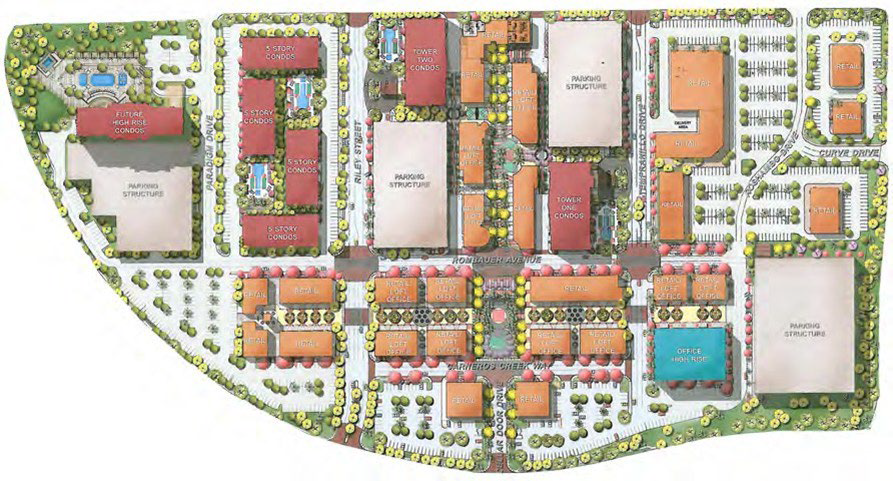
West Village is a large-scale Planned Unit Development encompassing approximately 404.8 hectares. The project included the establishment of design standards, program development, streetscapes, parks, and open space systems to guide a long-term, phased build-out. Landscape architecture services focused on overseeing design guidelines, coordinating with multiple stakeholders, and conducting compliance reviews to ensure consistency and alignment with the project vision as development progressed.
Given the scale, number of participants, and extended timeline, the success of the project depended on clear standards, effective coordination, and an adaptable framework capable of maintaining quality over time.
Establishing a Clear and Shareable Vision
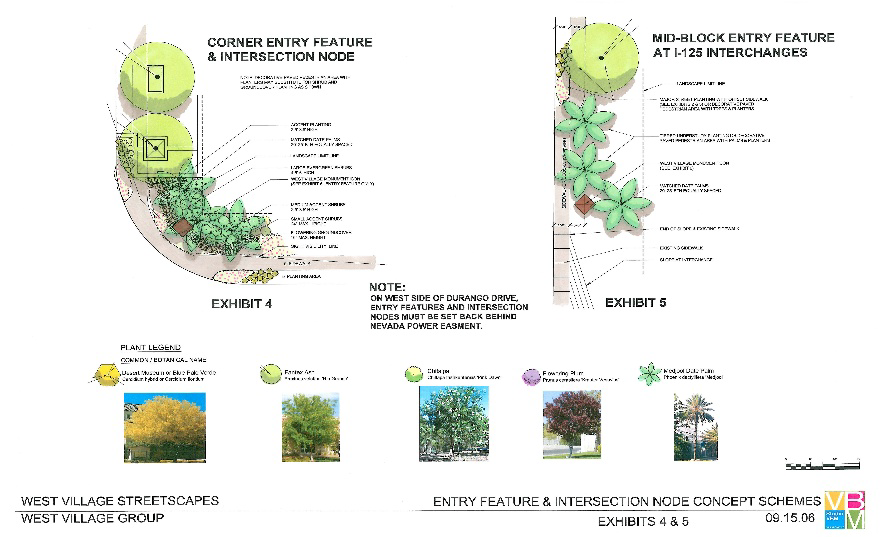
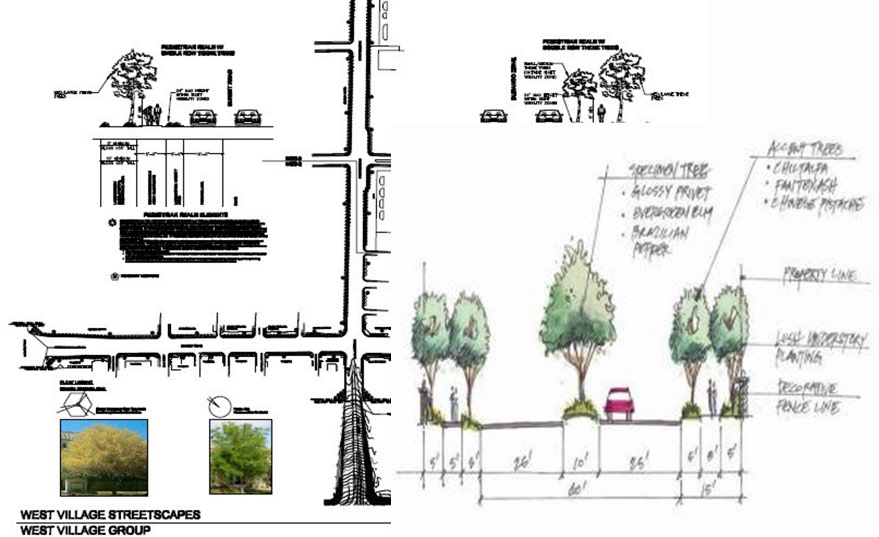
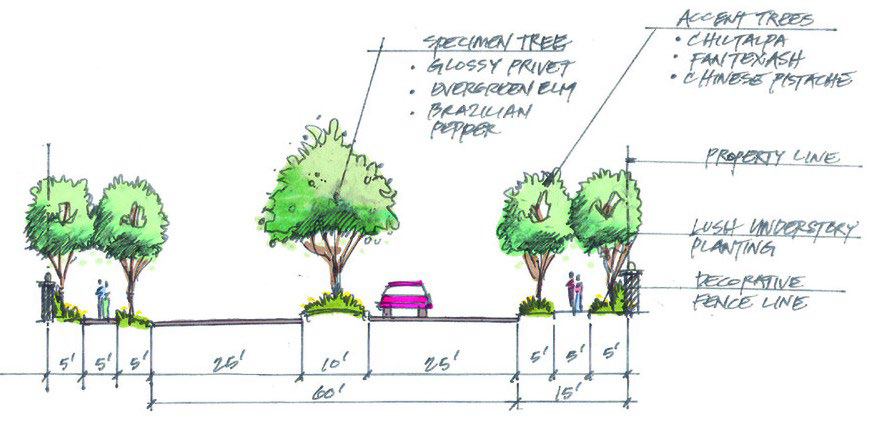
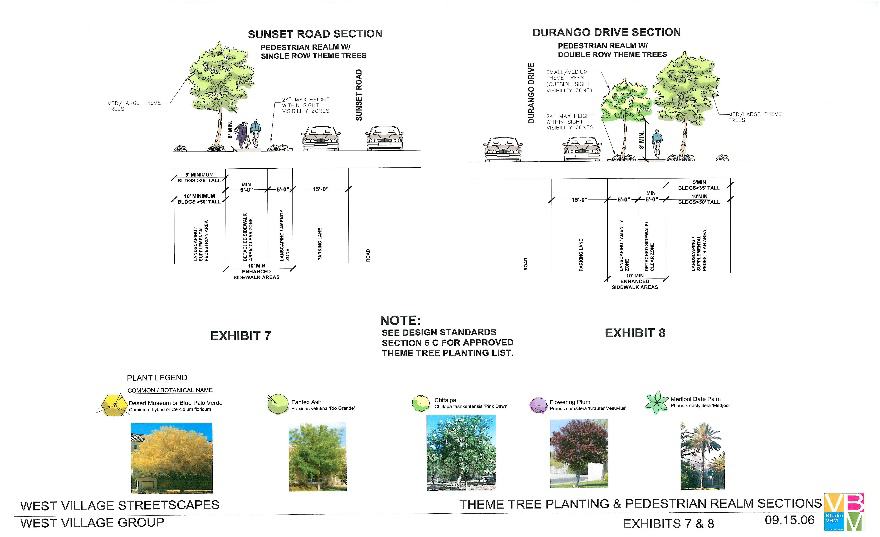
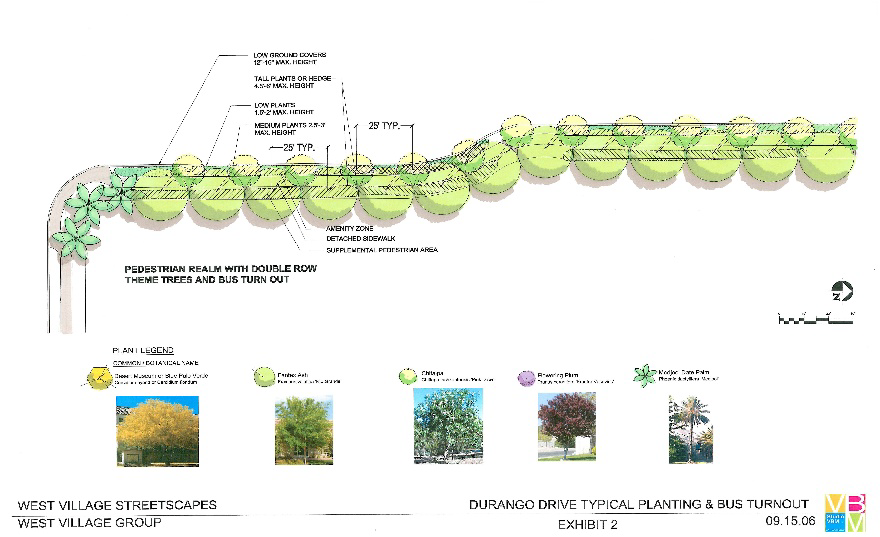
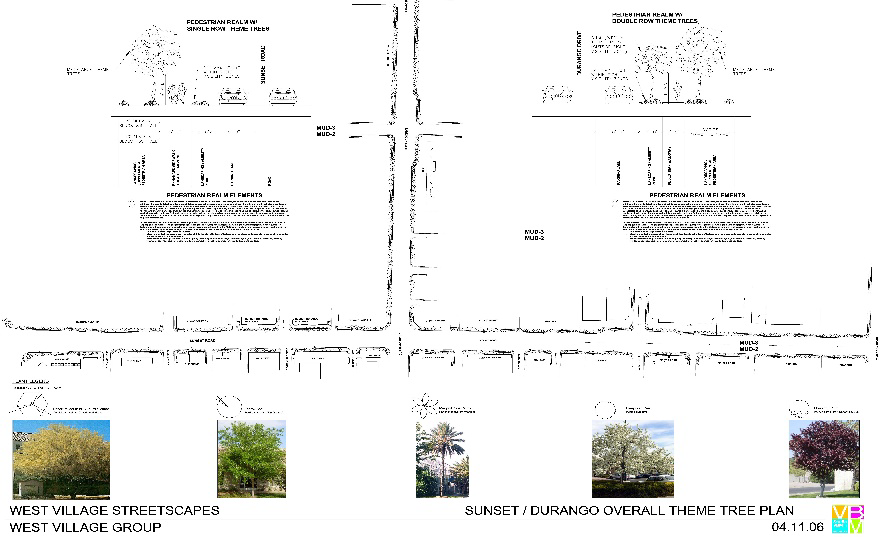
Once design standards were established, visual references and illustrative exhibits were developed to clearly communicate how exterior spaces should function and feel. These tools helped align stakeholders around a common understanding of the intended character of streetscapes, parks, and public spaces beyond written descriptions alone.
Translating Vision into Clear, Enforceable Standards
Design standards and specifications were written in clear, accessible language and structured to support long-term use by multiple stakeholders. By organizing standards in a consistent and logical manner, the framework remained understandable and enforceable even as project teams evolved over time.
Maintaining Alignment Through Review and Coordination
A well-defined review process was implemented to support phased development. Regular compliance reviews and clarification of design intent helped both established stakeholders and new partners understand expectations, reducing ambiguity and preventing design drift as the project progressed.
Allowing for Adaptation Without Losing Cohesion
Recognizing that long-term projects must respond to changing conditions, the standards were structured to allow for periodic updates. This flexibility accommodated shifts in climate considerations, code requirements, and economic conditions while preserving the overall vision and coherence of the development.
Effective program management ensures that large-scale developments maintain quality, consistency, and identity over time. This project demonstrates how landscape architecture can provide steady leadership—translating vision into systems that endure across phases, partners, and changing conditions.